
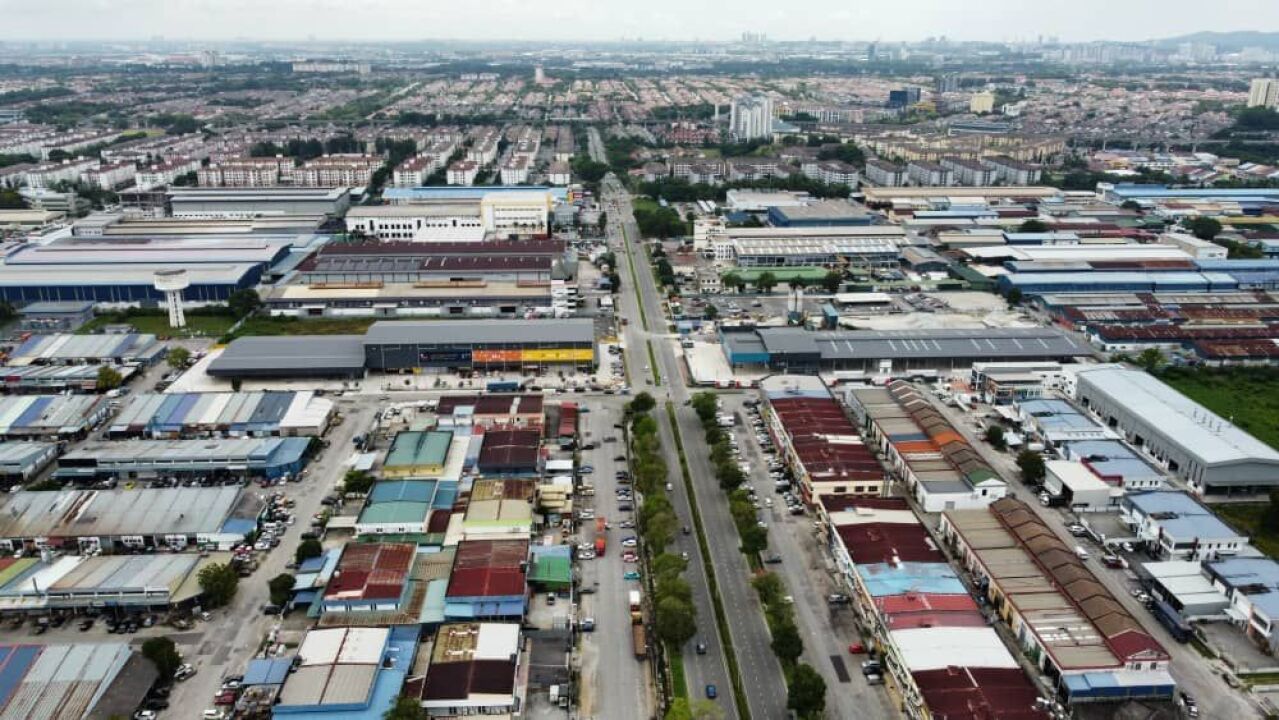
The intricate world of JTC industrial rental operates much like a complex ecosystem, where location, infrastructure, and community interact in delicate balance to create optimal conditions for business adaptation and growth. As we observe the industrial landscape of Singapore, we find fascinating parallels to natural systems—specialized niches, symbiotic relationships, and evolutionary adaptations that allow enterprises to thrive within their manufactured habitats.
The Evolutionary Advantage of Strategic Location
In nature and in business, location determines survival. JTC properties demonstrate this principle through their strategic positioning:
- Proximity to transportation arteries functioning as nutrient pathways
- Clustered specialization creating industrial symbiosis
- Hierarchical arrangements optimizing resource utilization
- Boundary zones facilitating cross-sector pollination
- Adaptive reuse of space responding to environmental pressures
“Singapore’s industrial estates function remarkably like coral reefs—complex structures supporting diverse specialized entities that together create something far greater than the sum of individual parts,” observes a distinguished Singapore industrial ecology researcher.
This intricate placement strategy mirrors natural selection, where organisms position themselves precisely where environmental conditions maximize their chances of survival and reproduction.
The Rich Diversity of Industrial Biomes
Like the varied biomes that span our planet, JTC industrial estates present distinct environmental characteristics that attract particular types of business organisms:
- High-technology clusters analogous to information-rich coral reefs
- Heavy industrial zones functioning like nutrient-dense wetlands
- Light manufacturing areas resembling adaptable temperate forests
- Logistics-focused estates operating as efficient grassland systems
- Mixed-use developments creating edge-effect transition zones
Specialized Adaptations: Finding Your Niche
The diversity of JTC factory for rent options reflects the specialized adaptations found in any thriving ecosystem:
- High-ceiling spaces for vertical manufacturing processes
- Temperature-controlled environments for sensitive operations
- Heavy-load-bearing floors for specialized equipment
- Customizable spaces accommodating unique operational needs
- Clean-room facilities for contamination-sensitive processes
These specialized environments mirror evolutionary niches, where particular features allow specific functions to flourish under optimized conditions. The remarkable diversity of industrial spaces enables specialized operations just as microhabitats in nature support specialized organisms.
Symbiotic Relationships Within Industrial Communities
Perhaps most fascinating is the emergence of symbiotic relationships within industrial estates:
- Supply chain partners establishing mutually beneficial adjacencies
- Waste stream integration where one operation’s output becomes another’s resource
- Shared infrastructure reducing individual resource requirements
- Knowledge exchange accelerating collective adaptation and innovation
- Collaborative problem-solving enhancing community resilience
“The most successful industrial tenants understand deep interdependence—they recognize that their prosperity is inseparably connected to the health of the broader industrial community,” notes a Singapore industrial symbiosis specialist.
These relationships echo natural symbioses, where different species develop mutually beneficial relationships that enhance survival prospects for all participants.
Adaptive Responses to Environmental Pressures
Industrial tenants, like organisms in nature, must adapt to external pressures:
- Energy efficiency measures responding to resource constraints
- Digitalization adaptations enhancing competitive fitness
- Spatial reconfiguration accommodating operational evolution
- Sustainability initiatives anticipating regulatory environments
- Workforce considerations reflecting community dynamics
Businesses that successfully adapt their spaces to these pressures demonstrate the same evolutionary advantages as organisms that respond effectively to environmental changes—increased resilience, resource efficiency, and competitive advantage.
The Temporal Dimension: Life Cycles of Industrial Spaces
Industrial estates exhibit fascinating life cycle patterns:
- Emerging estates with pioneer industries establishing initial conditions
- Maturing estates developing complex interdependencies
- Regenerating estates undergoing adaptive transformation
- Legacy estates maintaining specialized historical functions
- Hybrid estates blending traditional and emerging operational models
“The life cycles of industrial estates mirror succession patterns in natural ecosystems—from pioneer species establishing initial conditions to complex mature systems reaching dynamic equilibrium,” explains a veteran Singapore industrial development ecologist.
Understanding these cycles helps businesses position themselves advantageously within the temporal dimension of industrial evolution.
Navigation Strategies for the Industrial Ecosystem
Those seeking optimal positioning within this ecosystem should consider:
- Conducting thorough habitat assessment before commitment
- Identifying potential symbiotic partners within the estate
- Evaluating resource flows and infrastructure capacity
- Assessing adaptation potential for future operational evolution
- Understanding community dynamics and cultural factors
This systematic approach resembles the way naturalists study ecosystems—careful observation of patterns, relationships, and dynamics to understand how individual components interact within the whole.
Conclusion
The industrial landscape of Singapore represents one of humanity’s most fascinating constructed ecosystems—a place where natural principles of adaptation, specialization, and symbiosis manifest in the built environment. By understanding these ecological parallels, businesses can position themselves more advantageously within this complex system, identifying optimal locations and relationships that enhance their prospects for growth and resilience. Just as the most successful organisms find their perfect niche within natural ecosystems, the most successful businesses discover ideal positioning within the intricate structure of Singapore’s JTC industrial ecosystem.
What is perhaps most remarkable is the capacity for emergent properties—characteristics that could not have been predicted by examining individual components in isolation. The interconnected web of relationships between businesses, infrastructure, and human capital creates novel solutions and unexpected innovations, much as complex interactions in natural systems give rise to emergent phenomena that defy reductionist analysis.
As we continue to develop our industrial landscapes, we would do well to look more consciously to the lessons of natural systems. The principles that govern adaptability, resilience, and sustainable growth in nature can inform our approach to industrial development, guiding us toward built environments that not only serve human purposes efficiently but exist in greater harmony with the natural world.