

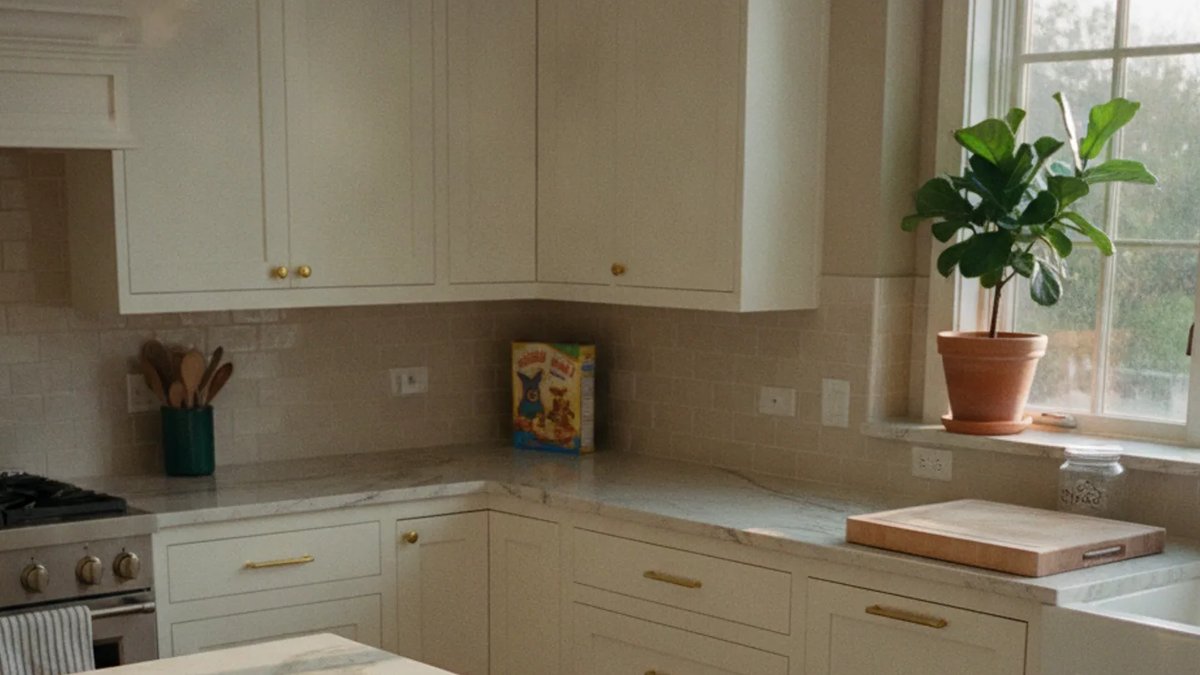
Choosing between quartz and quartzite countertops is one of the most consequential decisions in a kitchen renovation, a project that typically costs between $51,000 and $115,000 according to the Renology Cost Index. These two materials sound similar, but they represent opposite ends of the design spectrum, with quartz being an engineered composite and quartzite a natural metamorphic rock formed over millions of years. Homeowners must weigh the benefits of a factory-made product against a slab pulled directly from the earth, a choice that defines the aesthetic and maintenance requirements of the home for a decade or more.
Durability and Hardness
Both materials perform well on the Mohs scale of mineral hardness, a 1-to-10 scale that measures resistance to scratching. Quartz, composed of about 90 to 95 percent ground natural quartz bound with resin, rates a 7, making it resistant to everyday chipping and scratching. Quartzite is even harder, with a rating between 7 and 8, often harder than granite, due to the fusion of quartz grains under extreme pressure. However, this extreme hardness does not make either material immune to damage. A sharp, heavy impact near an edge or sink can chip both surfaces, and the resin binders in quartz can provide slightly more flex than natural stone, which is a factor to consider in older homes that may shift over time.
Related: San Diego homeowners regret these bathroom remodel errors
The distinction in their geological origins dictates their behavior under different kitchen conditions. Quartzite begins as sandstone and transforms into a dense, crystalline rock, while quartz is compacted in a factory to create a uniform surface. This structural difference leads to varied maintenance needs. Because quartz is non-porous, it never needs sealing, a major advantage for busy households. Quartzite, conversely, requires periodic sealing to prevent stains and etching. The performance of quartzite is heavily dependent on this sealant, which acts as a barrier against liquids. A reputable fabricator will apply a high-quality, food-safe impregnating sealer in their shop, and homeowners should perform an annual water test to ensure the seal remains intact.
Heat and Stain Resistance
In the high-stakes environment of a kitchen, heat and spills are constant threats. Quartz excels at repelling stains due to its non-porous nature, easily handling common spills like wine or turmeric. However, it is vulnerable to heat. The polymer resins used in manufacturing can be damaged by temperatures above 300°F, causing discoloration or cracking if a hot pan is placed directly on the surface. Quartzite, having formed under intense heat and pressure, is naturally resistant to thermal shock and can withstand hot pans without scorching. Its stain resistance is conditional, relying entirely on the quality of the sealant applied by the fabricator.
Related: Personalizing Your Permanent Holiday Lighting
Cost and Installation
While high-end options for both materials can overlap in price, quartz generally offers a more predictable and often lower entry point. Quartz is priced by the manufacturer based on color and pattern complexity, with solid colors often running $60 to $90 per square foot installed. Quartzite costs vary significantly based on rarity and origin, with common varieties starting around $75 per square foot but exotic slabs like Cristallo or Blue Roma easily exceeding $200 to $300 per square foot. The total project cost is also influenced by fabrication labor. Because quartzite is harder and more brittle, it requires specialized diamond tooling, water-jet cutters, and skilled labor, often resulting in a 15 to 30 percent higher labor cost compared to quartz projects.
Design and Layout Implications
The choice of material impacts the kitchen layout and the specific design details required for the space. Because quartz is sensitive to heat, designers must plan for adequate landing zones next to cooktops, typically specifying at least 15 inches of clear counter on either side of a range. With quartzite, this restriction is less critical, allowing for greater flexibility in the work triangle. Additionally, the limitations of slab sizes affect island design. Quartz manufacturers produce jumbo slabs, making it easier to create large, seamless islands. Quartzite, however, is limited by the size of the block quarried from the mountain, which may necessitate a visible seam in a very large island.
Related: Swimming Pool Repair Checklist: Preparing for the Summer Season
Ultimately, the decision reflects a shift in design philosophy away from sterile uniformity toward authentic character. For those who prioritize a maintenance-free surface that remains consistent over time, quartz offers the reliability of engineered perfection. For those willing to perform routine maintenance in exchange for a unique geological artwork, quartzite provides a connection to the natural world. The “patina of use” applies more to quartzite, allowing the stone to age naturally alongside the home, whereas quartz is designed to stay the same. Both materials represent a significant investment in the home’s functionality and style, requiring careful consideration of how the daily realities of cooking and entertaining will interact with the chosen surface.
Proper maintenance of natural stone surfaces often parallels the care required for other home renovations, such as ensuring a clean environment for installation. Homeowners should also consider the broader scope of home improvement, including the potential need for repairs or updates to other areas like bathrooms or pools to maintain the property’s overall value. [1]San Diego homeowners regret these bathroom remodel errors [2]Personalizing Your Permanent Holiday Lighting [3]Swimming Pool Repair Checklist: Preparing for the Summer Season


